

An automated pipeline that integrates cranial sutures into transcranial electrical stimulation (tES) planning and computational models.
Overview
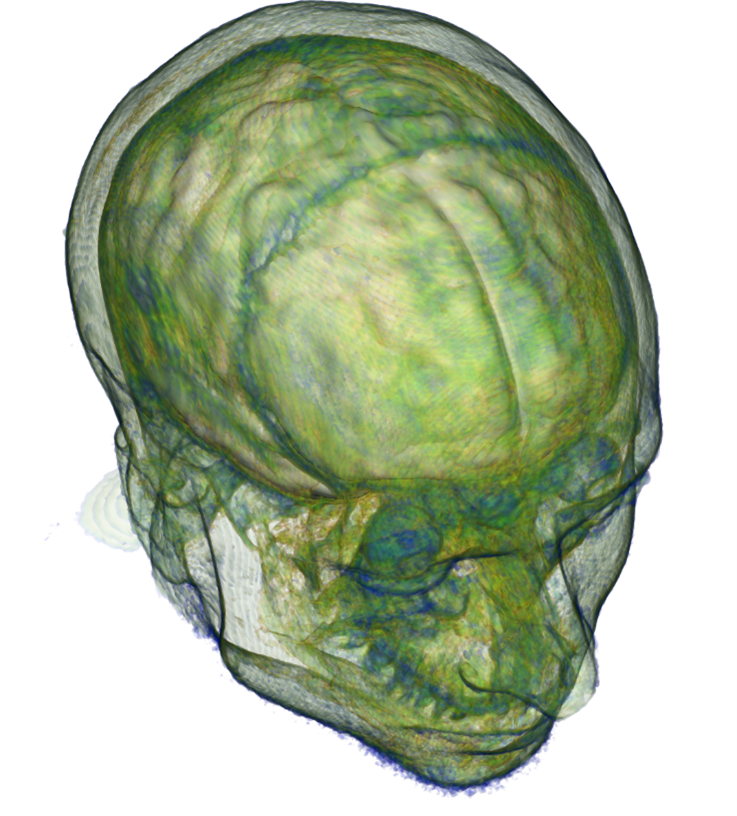
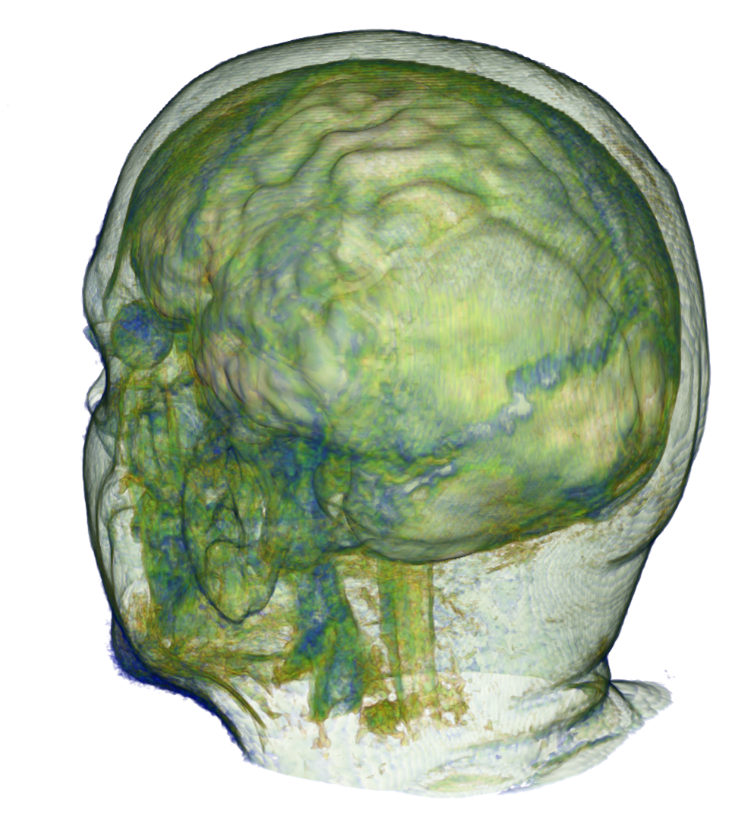
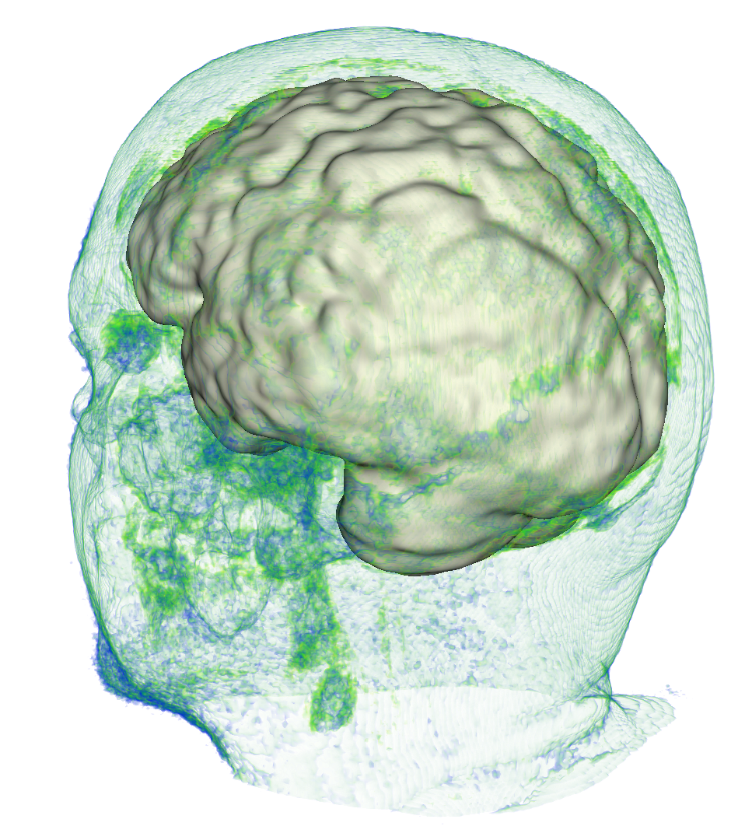
SutureStim uses routine T1-weighted MRI and the 3D Slicer platform to visualise cranial sutures. Given cranial suture have high conductivity compared with the skull it assists with tES planning and clinical decision making.
The problem addressed
- Anatomically correct: Conventional tES head models treat the skull as a uniform homogenous structure with a single conductivity. No models currently include the cranial sutures which have a high conductivity of cranial sutures.
- Safety and efficacy: Omitting cranial sutures leads to errors in predicted intracranial electric fields, potentially reducing the electric field in the target or increasing unintended exposure and side effects.
- Benefit over CTs: CT scans can demonstrate cranial sutures but uses ionising radiation; MRI is safer and commonly available but historically considered suboptimal for bone and cranial suture imaging. SutureStim aims to change this.
The SutureStim solution
- 3D Slicer: Adapts 3D Slicer’s volume-rendering presets to reveal sutures from standard T1 MRI DICOM data.
- Automated workflow: Python scripting enables reproducible importation of DICOM data, rendering, suture imaging, and export with parameter logging.
- Quantitative heatmaps: Research is currently underway that will correlate suture patency with measured brain electrical fields and clinical results. Which will enable objective measures to guide tES planning. 3D convolutional neural networks will learn to identify cranial sutures directly from MRI volumes and will output 3D probability map of cranial sutures.
- Clinical application: Currently 3D head models with cranial sutures clearly visible will guide electrode placement for tES.
Read more
Paper 1: Scoping review and calculating suture conductivity. Link to paper.
Paper 2: Computational modelling of tES – assessing the impact of the cranial sutures. Link to paper.